Champions Network

Private Preview

This site is password protected.

Liberty Action Alert  ·  4-Part Podcast Series

Building the Champions Network

LCRL  ·  August 2023

In four weekly conversations, Rev. Dr. Gregory Seltz and Rev. Mark Frith explain what the Champions for Religious Liberty Network is, why this moment demands it, and exactly how your church can get involved.

4 Episodes August 9–30, 2023 lcrlfreedom.org

Your Hosts

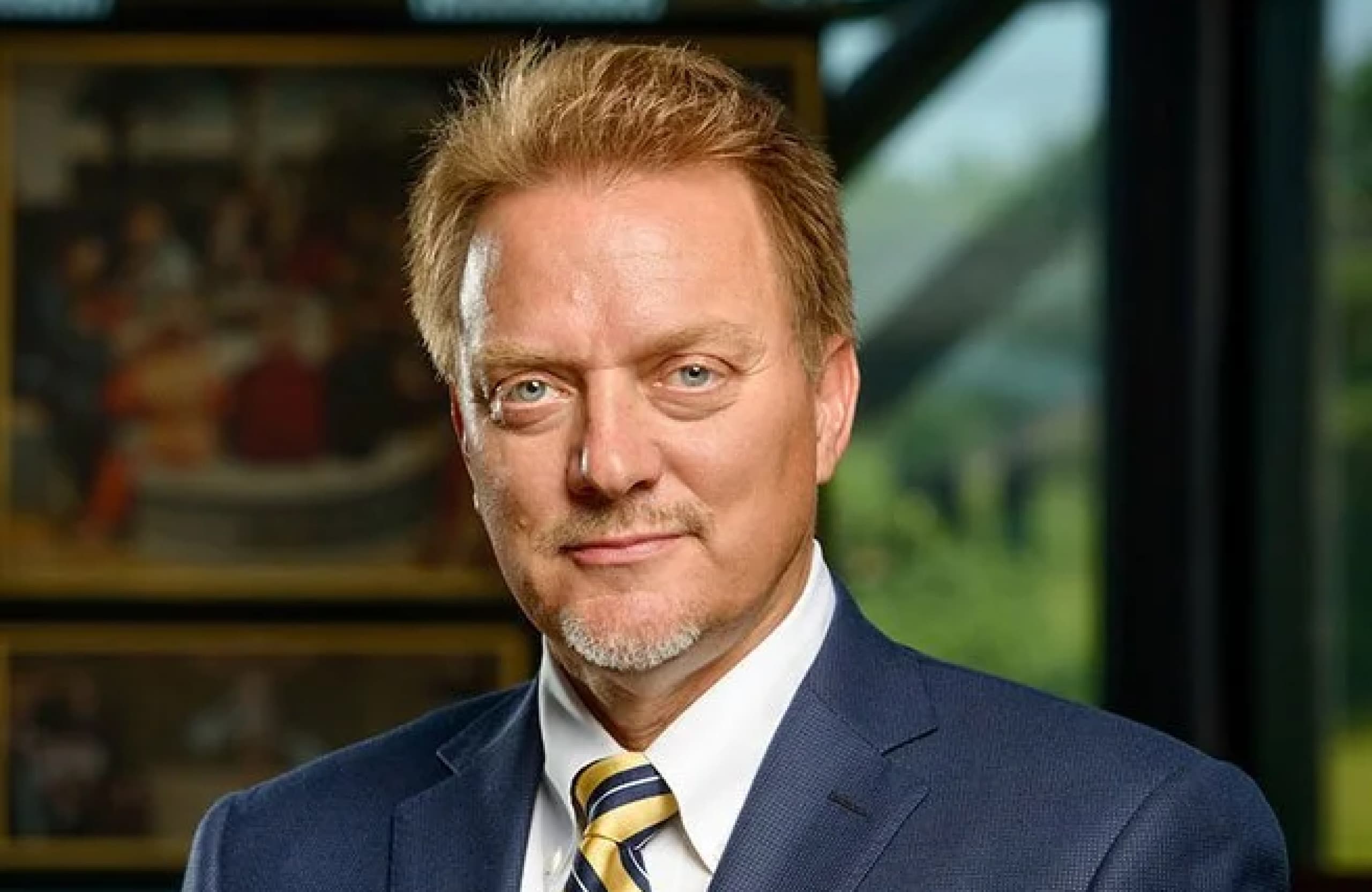
Rev. Dr. Gregory Seltz

Rev. Dr.
Gregory Seltz

Executive Director, LCRL
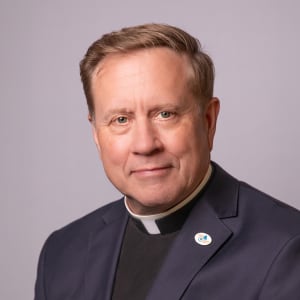
Rev. Mark T. Frith

Rev. Mark T.
Frith

National Director, Champions Network

What Is the Champions Network?

August 9, 2023

Why Now? The Case for Organizing

August 16, 2023

Standing in the Gap — For Our Children & Our Neighbors

August 23, 2023

How to Join & What to Expect

August 30, 2023

Listen to the Series

Four Conversations. One Mission.

Each episode builds on the last. Start with Part 1 and work your way through — or jump to the topic most relevant to you.

Episode 1 · August 9, 2023

What Is the Champions Network?

Rev. Seltz & Rev. Frith introduce the network, its 4 pillars, and the Two-Kingdom vision
0:00
--:--
Episode 2 · August 16, 2023

Why Now? The Case for Organizing

Two-Kingdom citizenship, conscience rights, and why the church cannot stay silent
0:00
--:--
Episode 3 · August 23, 2023

Standing in the Gap

For our children, our neighbors, and the next generation of Two-Kingdom citizens
0:00
--:--
Episode 4 · August 30, 2023

How to Join & What to Expect

The network structure, the 5-tier pathway, and your first step as a Champion
0:00
--:--
Meet Your Hosts

The Voices Behind the Series

Two leaders who have spent decades at the intersection of theology, religious liberty, and the public square.

Rev. Dr. Gregory Seltz

Executive Director, LCRL

Rev. Dr. Gregory Seltz

Distinguished theologian and evangelical leader serving as Executive Director of the Lutheran Center for Religious Liberty in Washington, D.C. Dr. Seltz brings the Two-Kingdom framework to life for congregations across the country through Liberty Weekends, radio, and national advocacy work.

A sought-after speaker and preacher, he has championed religious liberty at the federal level for over two decades — and helped give the Champions Network its theological and strategic foundation.

Rev. Mark T. Frith

National Director, Champions Network

Rev. Mark T. Frith

Guides, supports, and empowers church leaders with the tools needed to reach their full potential as Two-Kingdom Citizens. Rev. Frith manages practical recruitment, church support, and day-to-day leadership of the growing Champions Network across America.

A pastor and former Lutheran Army Ministries evangelist, Mark brings deep pastoral instincts to the work of religious liberty — helping ordinary believers understand that defending conscience is itself an act of love for neighbor.

What You'll Learn

The Big Ideas from the Series

Four conversations distilled into the three themes that run through every episode.

Why the Church Must Engage — Without Politicizing

The Champions Network was born from a simple conviction: the church's freedom to share the gospel depends on its willingness to defend that freedom in the public square. But this is not about politics — it's about keeping politics in its proper place.

As Dr. Seltz puts it, the network is "teaching you how to take the politics out of these issues — to tell the state 'mind your business so we can be good neighbors even to those with whom we disagree.'"

"We're not asking the church to become activists. We're teaching them to become what I'd call anti-activist activists — advocates who know how to engage without being defined by the conflict." — Rev. Dr. Gregory Seltz, Part 1
Blocking, Not Scoring

Evangelists score touchdowns. Champions Network members are the offensive line — blocking nefarious laws so the gospel can move forward freely.

This Is God's Preserving Work

Defending religious liberty and family integrity is not a political compromise — it's participating in God's left-hand kingdom work to preserve a world where the gospel can be freely heard.

Churches Helping Churches

The network connects congregations so no church faces cultural or legal pressure alone. What one church learns in Michigan strengthens a church in Ohio.

Lay People at the Forefront

Doctors, lawyers, nurses, entrepreneurs, parents — the laity have access to the culture in ways pastors don't. The network equips them to use that access for God's preserving work.

Political Correctness, Codified into Law

What began as cultural pressure has become legal coercion. The LCRL calls these "secular blasphemy laws" — regulations that make it illegal to express a biblical worldview in public life, business, or education.

These aren't abstract threats. They have names, faces, and decades-long legal battles attached to them. The Champions Network exists to say: these people should never have had to fight alone.

"The politicization of conscience. Who would have ever thought that would happen in America? We're fighting to make your conscience expression or your worship illegal — even though we have this thing called the First Amendment." — Rev. Mark Frith, Part 1
Religious Institutions Under Pressure

Catholic charities in Pennsylvania ordered to cease operations. Christian adoption agencies banned in Oregon. The targeting is systematic and growing.

Process as Punishment

Even when believers win in court, the decade of legal fighting destroys livelihoods. The goal of opponents is often exhaustion, not just legal victory.

Isolation Is the Enemy

"When we make headlines, people give me attention. Then that attention goes away and I feel like I'm all by myself." — Jack Phillips. The network changes this.

Pastors Need Protection Too

With everything now recorded, a sermon preaching biblical truth on marriage or life could trigger legal exposure. The laity's job is to stand in front of their pastors.

God's Two Ways of Working in the World

The theological backbone of the entire series. Jesus said: "Give to Caesar what is Caesar's, and give to God what is God's." He was not dividing life into sacred and secular — he was distinguishing how God works.

God preserves the world through families, governments, and natural law — even through non-Christians. God saves the world through the proclamation of the gospel in Jesus Christ. Both are God's work. Both matter.

"God civilizes our world even as he saves our world. He preserves so that people can hear that he has saved — freely. Keep Caesar in his proper place, because Caesar is not going to save you." — Rev. Dr. Gregory Seltz, Part 1
Left-Hand Kingdom (Preserving)

Government, family, law, vocation. God uses these — even through unbelievers — to restrain evil and make civilized life possible. Christians engage here as citizens.

Right-Hand Kingdom (Saving)

The church, the gospel, word and sacrament. God works here through grace alone to forgive sins and grant eternal life through Jesus Christ.

Why This Matters Practically

When you confuse the two, you either expect too much from government (utopianism) or you create a coercive church. Keeping them distinct protects both freedom and the gospel.

America Got a Glimpse

The founders organized a government based on limited power — because they believed both in human dignity (God's image) and human sinfulness. That's what the LCRL fights to preserve.

The 4 Pillars

What the Network Defends

Four non-negotiable areas where the LCRL and Champions Network take a public stand — not to impose, but to protect the freedom to believe, speak, and live accordingly.

James Madison called conscience "the greatest property any human being can have." Martin Luther said forcing someone to act against their conscience is "the most heinous of sins." The Champions Network agrees — and fights to keep it that way.

Religious liberty is not merely a political preference. It is the precondition for everything else the church does. When the state can dictate what a pastor preaches, what a Christian business owner believes, or what a school may teach — the mission of the church is in direct peril.

  • Defending freedom of conscience for believers and non-believers alike
  • Opposing secular blasphemy laws that criminalize biblical speech
  • Protecting the church's right to define its own doctrine and practice
  • Supporting Christians in legal conflicts through prayer, awareness, and advocacy

The foundational question behind the sanctity of life debate is not abortion versus choice. It is this: does the government have the power to declare that certain innocent human life is not worth living?

The founders answered this with the Declaration of Independence: all people are created equal, endowed by their Creator with inalienable rights. Once the state becomes the arbiter of which lives have value — in the womb, in old age, or through ideology — the entire framework of human dignity collapses.

  • Every person is created in God's image and redeemed by Christ — that is their dignity
  • The state has no authority to declare innocent life as disposable
  • This defense is for all people — it is a universal human rights argument
  • Champions Network equips members to speak to this clearly and compassionately

The Champions Network's position on marriage is not primarily about what marriage is — it's about who has the right to define it. The state does not have the authority to compel the church to affirm what the church believes to be contrary to God's design.

When adoption agencies are shut down for believing children flourish best with a mother and father — that is the state overstepping its bounds. When Christian schools and ministries face legal sanction for their doctrine — that is the church being told what to preach.

  • The government's role is not to define sacramental marriage for the church
  • Defending the church's freedom on this issue even for those who disagree
  • The breakdown of the family directly impacts the stability of civil society
  • Champions Network trains members to discuss this without political framing

The American founders believed freedom depended on a citizenry that understood they were created in God's image — and that this knowledge came through education in the home and community. Today, public education is increasingly at war with that foundation.

Gender ideology is being taught as settled science. Biblical morality is framed as harmful. Parents who want to educate their children differently are fighting against institutional power — often alone. The Champions Network says that fight is worth having.

  • Parents are the primary educators of their children — government is a steward, not the sovereign
  • Educational freedom protects children from ideological coercion in the classroom
  • Champions Network supports school board engagement, homeschool rights, and parental advocacy
  • This issue will define the cultural landscape of the next generation
These Stories Are Why

Real People. Real Costs.

These are three of the stories that shaped the Champions Network's sense of urgency. Click any card to read the full account.

Jack Phillips

Masterpiece Cakeshop · Colorado

A Christian baker. Ten years of lawsuits. Multiple near-losses of his business. Now they're coming after his family. His story defined an era — and he almost had to face it alone.

Read His Story

Lorie Smith

303 Creative · Colorado

A web designer who fought for her creative freedom before she was ever targeted. Seven years of limbo. A Supreme Court victory in 2023 — but at what cost?

Read Her Story

Barronelle Stutzman

Arlene's Flowers · Washington

Beloved in her community by everyone — including her gay customers. The state came anyway. They bankrupted a grandmother. Her neighbors watched it happen.

Read Her Story
The Network, Explained

Three Layers. One Mission.

The Champions Network is organized into three interconnected components — each building on the last.

Two Kingdom Academy

The learning engine of the network. The Academy is where ordinary church members go deep on the theology and principles that undergird everything else — understanding what it means to be a Two-Kingdom citizen in 21st-century America.

The first year is called the Apprentice year. Members work through 8–9 study modules, read key books, engage in group discussions, and begin limited community engagement — listening before speaking, asking before asserting.

8–9 Study Modules per YearTheology, current events, and practical application — all through a Two-Kingdom lens.
Small Group FormatLearning happens in community — with fellow members, supported by champions chapter leaders.
Community ListeningYear one includes going into your community, meeting neighbors, praying over what you see — before engaging on any issue.

Year 1 Apprentice Journey

1
Champions Weekend KickoffA half-day or full-day event to introduce the Two-Kingdom framework and launch your local champions group.
2
Leader Identification4–5 facilitators raised up in your congregation — Hospitality, Prayer, and Communication pillars filled.
3
Module CurriculumWork through 8–9 study modules over the year, plus 1–2 assigned books (starting with Free to Believe by Luke Goodrich).
4
Community EngagementListen, pray, and build relationships in your community — learning to speak when the moment is right.
5
Graduation to SquireCompletion of year one — and entry into the Champions Church benefits and network connection.

Champions Church

Individual congregations that have completed the Academy's first year and are actively connected to the national LCRL network. A Champions Church receives ongoing resources, advocacy updates, and direct support from LCRL staff.

Critically, Champions Church is not a replacement for the pastoral voice — it is the laity coming alongside their pastor as "offensive linemen," protecting the church's freedom so the pastor can preach freely.

Direct Support from LCRLAccess to Rev. Frith and the LCRL team for questions, legal updates, and speaking engagements.
Weekly ResourcesMonday devotion and Friday op-ed, both written through a Two-Kingdom lens and delivered to your inbox.
Pastoral ProtectionA trained lay team standing between the pastor and the culture — so he can preach freely without legal or social exposure.

Champion Church Benefits

LCRL Resource LibraryGrowing archive of legal, theological, and advocacy materials tailored for congregational use.
Liberty Action AlertsReal-time updates on issues affecting your state, denomination, and local congregation.
Network Prayer ChainConnected to a national community praying for specific cases and champions under pressure.
Speaking RepresentationLCRL advocates for Champion Churches in Washington — with a growing constituency behind them.

The Champions Network

The broadest layer — a national network of Champion Churches and individual Two-Kingdom citizens who may not yet have a home church in the network. This is where the power of scale becomes real.

When Dr. Seltz walks into a senator's office, he represents the churches, the alumni, and the individual subscribers behind him. Constituency matters on Capitol Hill — and the network builds it.

National ReachChurches from coast to coast — sharing what worked, warning what's coming, standing together across state lines.
Individual MembershipNot yet connected to a Champions Church? Join as an individual — receive resources, connect with local champions.
Federal Advocacy PowerThe larger the network, the louder the voice in Washington. Your membership is counted when LCRL advocates on the Hill.

How to Get Connected

1
Sign Up for Word from the CenterMonday devotion + Friday op-ed delivered to your inbox. The easiest first step. Free.
2
Request a Champions WeekendContact Rev. Frith to schedule a half-day kickoff event for your congregation.
3
Begin the AcademyYour congregation enters year one — working through modules together as Two-Kingdom Apprentices.
4
Join the NetworkBecome a Champions Church — and connect with the national community of believers standing together.
Your Champions Journey

Five Tiers. A Lifetime of Service.

The Champions Network uses a knighthood metaphor — honoring the tradition of citizens who gave their lives in service to something greater than themselves.

T1

Tier 1

Apprentice

Year one. Learning the Two-Kingdom framework. Listening before speaking. Building foundations.

T2

Tier 2

Squire

Growing in confidence. Taking an active role in congregation. Beginning to engage community issues.

T3

Tier 3

Bachelor

Developed skill sets. Mentoring apprentices. Engaging local civic conversations with confidence.

T4

Tier 4

Banneret

Network leader. Supporting Champions Chapters. Training others. State-level engagement.

T5

Tier 5

Knight First Class

Full Two-Kingdom citizen leader. Federal advocacy. Coming alongside LCRL in Washington.

From Episode 4

3 Core Principles

The Academy teaches Two-Kingdom citizenship through three interconnected principles — unpacked by Rev. Frith in the final episode of this series.

Lutherans have often been accused of passivity — of using the Two-Kingdom distinction as an excuse to disengage. Dynamic Differentiation is the corrective. Yes, we differentiate God's preserving work from his saving work. But we jump in to both.

The word dynamic is key. This is not a wall between church and world — it is an active, engaged understanding of how God works so we can work with him. The Christian who understands Two Kingdoms doesn't withdraw from public life. They engage it with greater clarity and confidence.

  • Differentiate — know which kingdom you're operating in and why
  • Engage — don't let the distinction become an excuse for silence
  • Ask the right questions — "What is the government's role here?" is different from "What does the gospel say here?"

The Two-Kingdom citizen engages — but not impulsively. Before rushing in to fix something that feels broken, the wise champion asks: Is God already preserving something good here that I'm not seeing? Could he be using even sinful people to set about corrections?

This is not passivity — it is wisdom. It leads to listening before speaking, learning before acting, and building relationships in the community before demanding anything from it. The champion who walks into a neighborhood asking questions will always serve it better than one who arrives with all the answers.

  • Reformation — rooted in the confession that God's truth reforms what is broken
  • Restraint — a posture of humility before engaging any cultural conflict
  • Listening first earns you the right to be heard — and the right to speak God's truth into the situation

God's moral law — including how he orders family, work, property, government, and human dignity — is a gift to civilization. Vocational Respect means honoring that order: understanding that a nurse, a lawyer, a school board member, and a pastor all have distinct callings with distinct responsibilities.

This principle is what grounds the Champions Network's approach to each of the four pillars. We are not demanding that the state enforce the church's doctrine. We are asking that the state respect the vocations God has given — including the vocation of believer, parent, and citizen of conscience.

  • Every vocation is a gift from God and a form of service to neighbor
  • The state's role is to protect and enable these vocations — not to redefine them
  • The champion uses their specific vocational position to engage their specific area of the culture
  • Doctors, nurses, lawyers, teachers, parents — all have access the pastor doesn't
Ready to Take the Next Step?

Bring the Champions Network to Your Church

Rev. Mark Frith will sit down with you — or your pastoral team — to answer questions, share how the network works, and help you discern if this is the right season for your congregation to get involved.

Book a Free 30-Min Consultation
Or reach Mark directly: Mark.Frith@LCRLfreedom.org  ·  913-375-4181
Rev. Mark T. Frith

Rev. Mark T. Frith

National Director, Champions Network

30-minute virtual consultation
No obligation · Response within 48 hrs

Book via Calendly